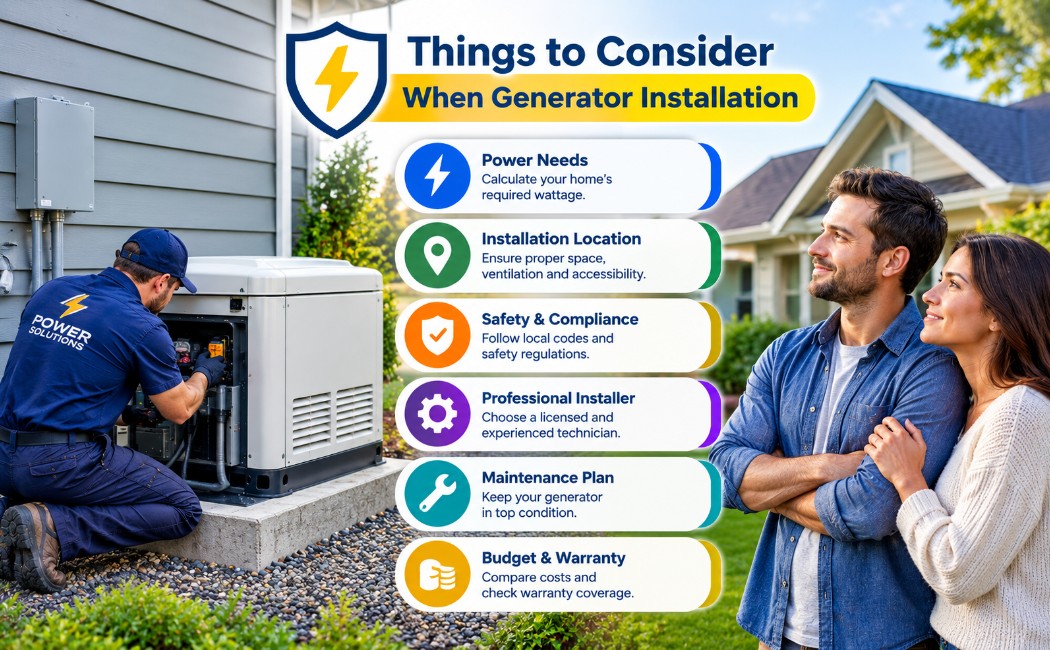
Power outages impact heating, refrigeration, medical equipment, security systems, or a home office. If planned properly, a generator installation can keep critical systems running during a power outage.
However, when is the right time to consider a generator installation in Hingham for a property? It depends on the electrical needs of your home, the frequency of power outages, and the systems you are required to maintain. Knowing these factors can help you choose a backup power supply before the next storm or unexpected outage.
Does Your Home’s Power Go Out Frequently?
If power outages are becoming a common occurrence, you might want to invest in a generator. Power can go out for many reasons, such as severe weather, broken power lines, equipment failures, and other grid problems, and often with little notice.
Constant outages can be expensive.
A short outage may only reset your clocks. A longer outage may cause food to go bad, heating/cooling systems to cease functioning, loss of internet connectivity, and uncomfortable or hazardous conditions. The consequences can be even more severe if you rely on electrically operated equipment in your home. A standby generator is particularly important when power outages disrupt for several hours.
Consider What Needs To Be Running
Backup power is not needed for all circuits in every home. Some homeowners are more interested in refrigerators, sump pumps, heating systems, lighting, internet equipment, and certain outlets. Some are looking for whole-home coverage.
The generator capacity needed depends on your electrical load. A certified electrician can assess the needs of the home and advise if only partial or whole-house backup is suitable.
What Are The Indications That You Need A Generator?
Not all backup power needs are apparent. There are a few very real indicators as to whether it is worth installing.
Your Essential Systems Depend on Electricity
Backup power can be important for continuity if your heating system, well pump, sump pump, security systems, or other critical systems go down during a power outage.
This is especially critical during winter storms, when heat loss over time can become a serious problem.
Work or Study at Home
When the power goes out, meetings, deadlines, online classes, and other commitments can be canceled. A generator will keep your internet, computer, lighting, and other critical items running and operational through the power of selected circuits.
Your Home Has Increasing Electrical Demands
Modern houses tend to consume more electricity than they used to. Additional demands in an electrical system include new appliances, home offices, electric heating, and vehicle charging. In planning for a generator addition, it is critical to determine if the existing electrical system is able to accommodate the intended equipment.
Is Your Electrical System In Need Of An Upgrade First?
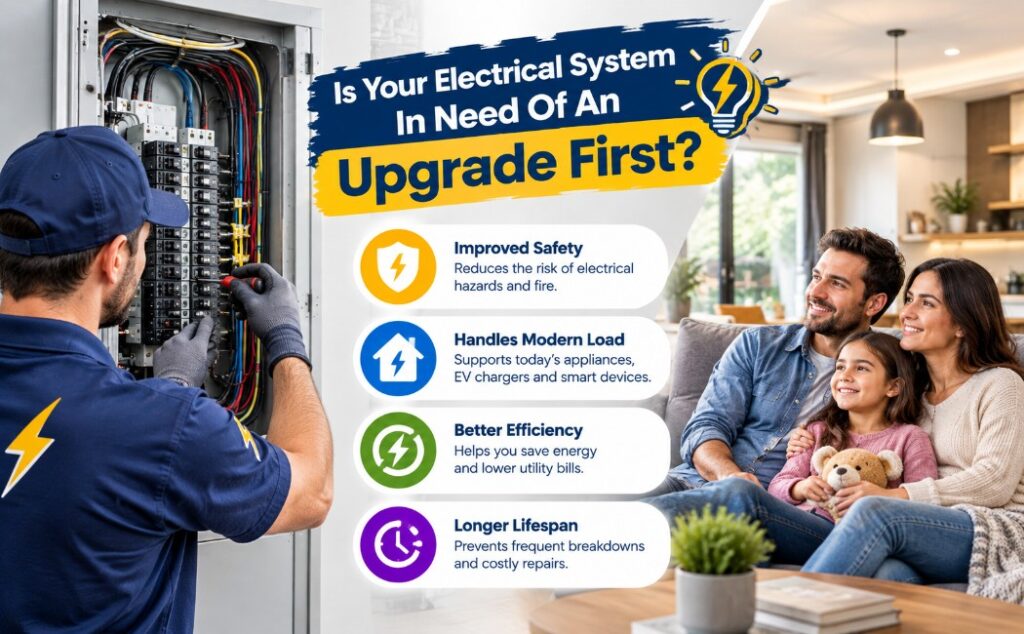
When considering generator installation, it should be looked at as an addition to the home’s electrical system instead of something separate. In some properties, other electrical work may need to be resolved prior to generator installation.
Electrical Panel Upgrade
Older or smaller panels might not be able to support modern electrical demands. Upgrading an electrical panel can increase electrical capacity and enhance circuit organization.
A panel evaluation will also be able to determine if there is insufficient space for breakers in the panel, outdated components, or other panel problems that may impact a generator project.
Partial and complete rewiring
Older wiring may not be capable of handling additional electrical loads. Depending on the home and the condition of the wiring, partial and full rewiring may be considered for the replacement of damaged, deteriorated, or outdated wiring.
Not all properties need to be rewired to the full extent. The method used varies according to the existing wiring, electrical needs (load), and safety considerations determined in a risk assessment.
What Other Electrical Projects Are You Planning for?
A generator project can also be an invitation to reconsider other electrical requirements rather than make individual requests.
EV Charger Installation
EV charger installation in South Shore, MA can add a new electrical load to the property, especially if you own or intend to buy an electric vehicle. Charger sizes vary by equipment and vehicle, so consider the available capacity of the home before installing.
Designing the charger and generator together can help prevent unplanned changes in the electrical system down the road.
Bathroom Electrical Improvements
In a bathroom remodeling project, it’s not all about the fixtures and finishes. Changes to the existing electrical wiring may be needed for updated lights, ventilation, outlets, heated features, or other electrical components.
Any electrical work should be undertaken with regard to current safety standards and the needs of the remodeled area.
How To Select The Correct Generator System?
The type of backup system you need will be based on what you are trying to back up and how your electrical system is set up.
Standby or Portable?
Although portable generators may offer temporary power, these are typically manual generators that must be safely operated outdoors. They are permanently installed and can automatically supply backup electricity when the utility power is lost.
A standby generator may be a better choice for homeowners looking for automatic backup.
Whole Home or Selected Circuits?
Whole home systems can handle a wider variety of electrical loads. Priority circuits are circuits that are backed up during a partial backup system and may be a viable option when critical pieces of equipment must remain active.
This should be based on your budget, electrical load, and priorities, not just on the biggest generator available.
Why is the correct installation so crucial?
A generator is an item of potent electrical equipment. More than just setting the unit out and hooking it up to the house. All connections and transfer equipment must be properly installed into the home’s electrical service. Location, airflow, fuel, and electrical requirements are also important.
That is why the installation of generators must be planned and performed by a properly qualified electrical contractor who knows what is required to install a generator. Wrong connections can cause significant safety hazards, including backfeeding electricity into utility lines.
About ECA Construction & Electric
ECA Construction & Electric serves homeowners with solutions designed to match the property and the work that’s planned for it when it comes to electrical needs. Whether you’re installing a generator, upgrading your electrical panel, making wiring improvements, implementing EV charging solutions, or handling electrical work for your home projects, the common thread is to make it possible and safe.
Each property is different, and an electrical assessment can be used to determine what the current electrical system may be capable of and what may require an upgrade. This is particularly helpful if multiple projects are being considered simultaneously (e.g., backup power, an EV charger, and a bathroom renovation).
You can talk to ECA Construction & Electric about what your home’s electrical needs and priorities for backup power are to determine next steps if you don’t know if your home is ready for a generator.
When’s the Right Time to Consider Your Backup Power?
Don’t wait for the next big outage to make the decision on whether your home should have backup power. Some good reasons to consider a generator include frequent interruptions, critical electrical equipment, telecommuting, shifting household demands, or planned electrical work.
The appropriate answer could be a broad coverage standby system, or a system that covers only important circuits. Sometimes, an electrical panel upgrade, wiring project, and other enhancements are included in the project.
If power is important for your family, this is a real-life moment to consider your options and make a plan in advance of being left without power